







GMercyU’s Catherine’s Cupboard was created with one simple goal in mind: to support students in a real and practical way.
Rooted in the university’s values of service and care for others, it was established as a response to a growing need on campus that often goes unseen. Over time, it has become a steady and trusted resource for students, offering access to food and everyday essentials in a way that is both respectful and accessible. What started as a small effort to help has grown into something that quietly plays a big role in student life, reflecting the kind of community Gwynedd Mercy strives to be.
 When people imagine college life, they often picture classes, friendships, campus events, and late nights studying. While that is true for many, it leaves out a quieter reality, one that is far less visible but deeply impactful. For a growing number of students, college also includes worrying about where their next meal will come from or how they will afford everyday essentials. This is exactly why Catherine’s Cupboard exists.
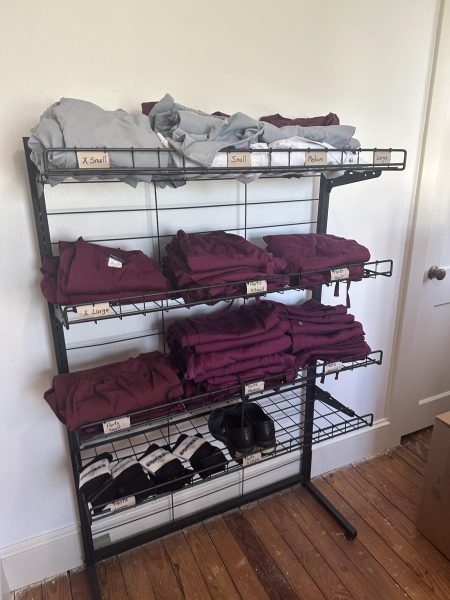
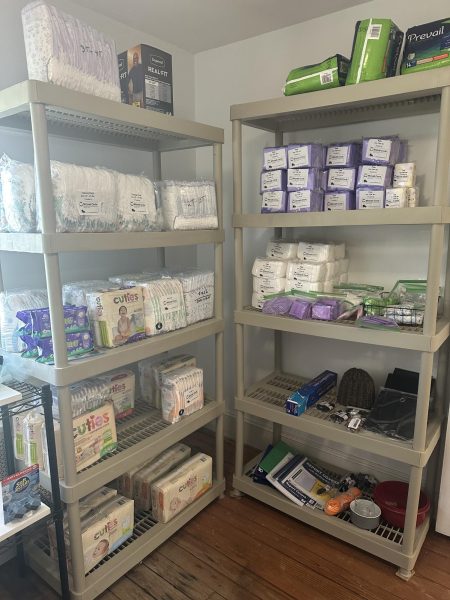
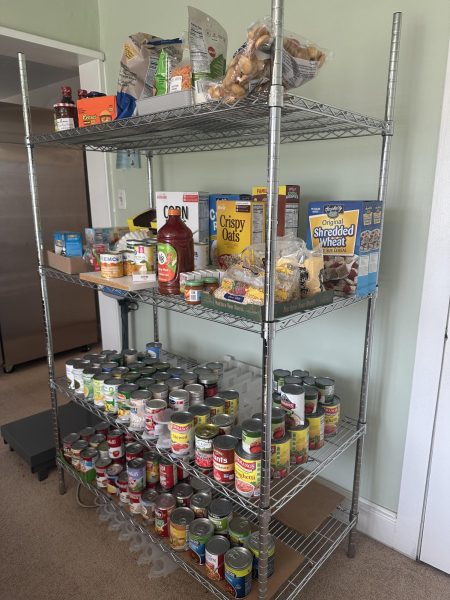
Catherine’s Cupboard is an on-campus facility that aids nonperishable foodstuff, snacks and hygiene products to students in a manner that is easy and accessible.
It is available to people who may require some additional assistance, be it only a few weeks of assistance or something long term. This is in order to ensure that the students are able to concentrate on their classes, their ambitions and their general well-being without being in constant worry of how they can be able to afford basic needs.
College expenses are cumulative and often unpredictable. Tuition, textbooks, transportation, and housing already place pressure on students, but it is often the smaller, everyday costs, groceries, toiletries, and basic necessities, that become overwhelming when financial circumstances shift. A delayed paycheck, reduced work hours, or unexpected expense can quickly create a gap between what a student needs and what they can afford. Resources like Catherine’s Cupboard act as a critical safety net, allowing students to maintain stability without sacrificing their academic focus or well-being.
Research shows that food insecurity is closely tied to academic performance and mental health. Students experiencing food insecurity are more likely to struggle with concentration, experience higher stress levels, and face barriers to persistence and graduation. This means that access to food is not just a matter of physical survival, it directly influences a student’s ability to succeed in the classroom and remain engaged in their college experience.
Research from the U.S. Government Accountability Office found that college students who experience food insecurity are significantly more likely to have lower GPAs and are at greater risk of not completing their degrees (U.S. Government Accountability Office, 2024). This highlights that food insecurity is not just about access to meals. It directly affects academic success and long-term outcomes, revealing a broader structural issue that extends beyond individual circumstances.
What makes Catherine’s Cupboard especially impactful is its accessibility and low-pressure environment. One of the most significant barriers students face when seeking help is stigma. In a setting where many feel that others “have it all together,” asking for assistance can feel isolating or even embarrassing. By offering a resource that is discreet, familiar, and free of judgment, Catherine’s Cupboard removes that barrier and encourages students to seek support when they need it.
“I didn’t even know it was there at first. Someone mentioned it to me, and it ended up helping me a lot. There were weeks where I was stressing about money and trying to make everything last, and being able to grab a few things from Catherine’s Cupboard just made everything feel a little more manageable. It gives me such peace of mind that comes with knowing you have that option. It seriously just helps so much!” – Sophomore, Education
Food insecurity is more common on college campuses than many people realize. According to the Hope Center for College, Community, and Justice, about 41% of college students experienced food insecurity in the past 30 days (Hope Center for College, Community, and Justice, 2025).
The importance of resources like this extends beyond food alone. Access to hygiene products—items often overlooked in discussions of need, plays a crucial role in a student’s confidence, dignity, and daily functioning. Being able to attend class feeling prepared and cared for impacts not only physical health but also emotional well-being and self-perception. In this way, Catherine’s Cupboard supports students holistically, helping them feel more stable and capable in their everyday lives.
Worried about how to afford the next meal creates feelings of instability that make it hard to concentrate on their studies and remain active in their school activities.
“Catherine’s Cupboard has helped me personally because it’s given me a steady source of food when I’m low, having access to a resource like this means a lot to me and I’m grateful to go to a school that provides something like this for student’s!” – Sophomore, Education
The college experience is different to each and every person. Students enter with different levels of support, and prior experiences that can influence day-to-day life.
Catherine’s Cupboard is among silent resources that will make the campus a better place to be at the end of the day. It represents the fact that the Gwynedd Mercy community is not only concerned about its students on an academic level, but as individuals who have to be supported, nourished and given an opportunity to succeed.
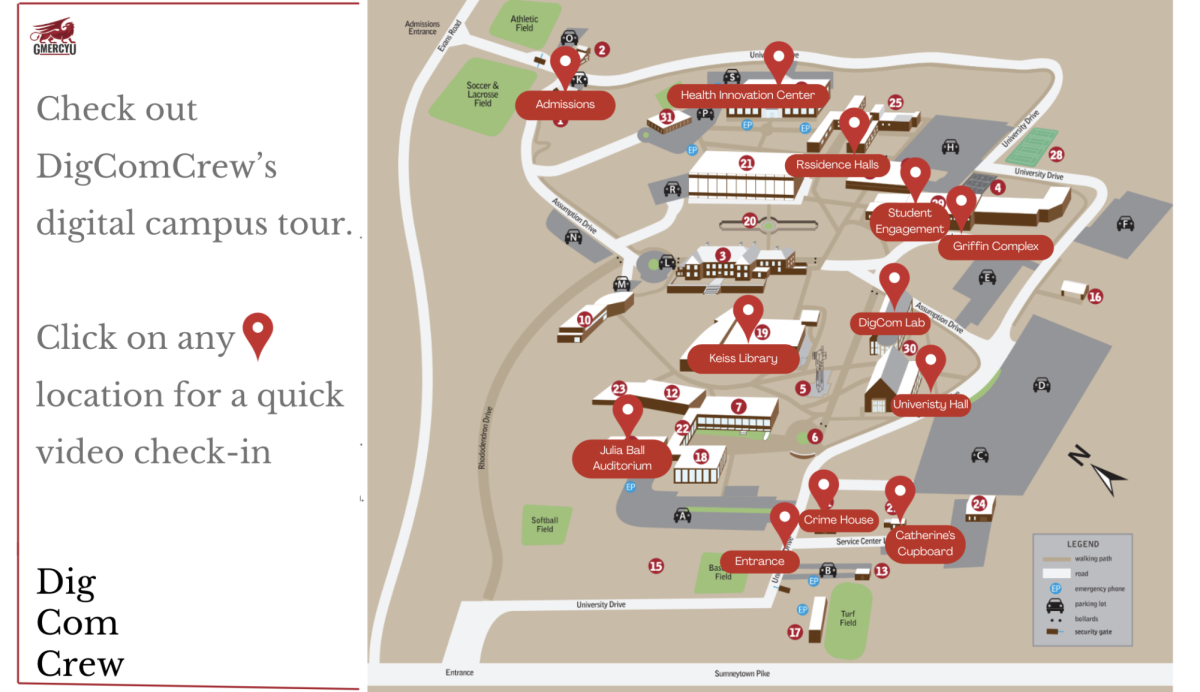
Catherine’s Cupboard is located right on Gwynedd Mercy University’s campus, making it easily accessible for students who need it. If you are interested in using the resource, donating, or learning more, you can reach out through the university’s student services or campus ministry offices, which typically help manage and support the cupboard. For specific details like hours, exact location on campus, or how to get involved, checking the university website or contacting student engagement staff is the best way to get the most up to date information.