

It was important to focus on the job of this story — to provide a resource to coaches, student athletes, and families alike that have an experience of transferring, or seek to learn more about what happens and the new responsibilities in doing so.
In this article, you’ll learn why I chose to dive deeper into people’s perspective of the transfer process, how I conducted interviews and put the story together, and how crucial I think this story is to sharing with coaches to understand, and transfer student athletes looking to find their new identity.
Why I Wanted to Tell This Story
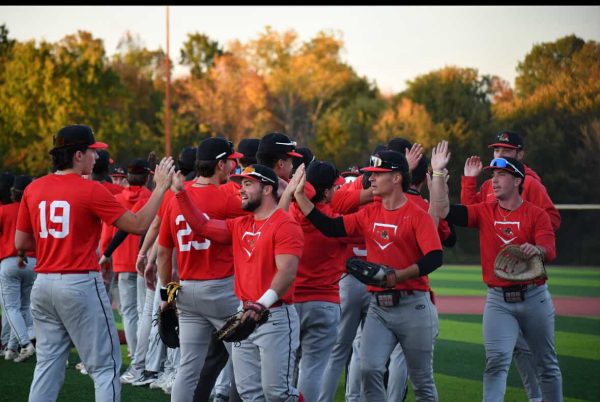
This topic is something incredibly pertinent to me and my best friends. As a student-athlete who transferred to a GMercyU over the summer, I experiences this a life-changing decision, and I’m so happy I did.
Transferring is common in NCAA athletics, and for various reasons, including playing time, overall experience, academics, NIL, or environment.
In this piece, I sought to gather insight and opinions from various perspectives about the role of transfer student-athletes in both a large and small scene, including both academics and athletics in order to gather a well-rounded explanation for the process of transferring, and advice on how to find your identity in doing so.
This is such a big issue because across all NCAA divisions, the transfer portal is massive, and across Division I and II, saw 15,000 athletes come through it last year. Additionally, in researching, I discovered that there is no comprehensive database for Division III transfer athletes, which is another question in and of itself. At the Division III level, it is much more of a happiness, proper fit, and opportunity thing, rather than at the higher levels where schools offer scholarship, amenities, and NIL to perspective athletes. At GMercyU, transferring is about a smaller atmosphere, where one is not just a number in a lecture hall or a name on a roster, but somebody who connects with professors, new friends, and teammates, as they find their role as student athlete once again.
Why It Matters

This story is something that should be cared about and consumed by student athletes, faculty, athletic directors, NCAA employees, coaches, and especially transfer student athletes, as it discusses the ins-and-outs of the transfer process, how it has changed in the last ten years, and what can be done to find your identity and community at a new university and on a new team.
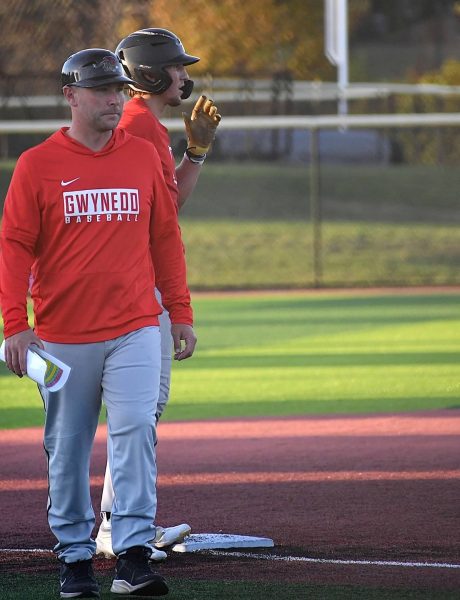
Originally, I planned for the story to be a resource for student athletes looking to transfer, just like I did after a bad experience, so that someone who listens to this story can hear really great advice to apply to their new experience, and enjoying a new university and athletic program again. As I conducted interviews with Coach Joe Brooks, who himself transferred in 2014, and Athletic Faculty Mentor Dr. Patrick McGrain (who I’ll be calling Doc throughout this article as requested), the story began to take shape, and their advice was practical to me, who is currently assimilating to a new university and baseball team’s culture, and I sincerely hope student athletes will learn something too.
In conversations with those two and a few transfer student athletes, I seek to make this podcast a blueprint to help a transfer student athlete to find themselves when faced with a new school, team, people, and so much more. This is an incredibly relevant story to the ever-changing world of collegiate athletics, and as more student athletes make a huge decision to share, I hope this helps in their journey, just like it did for me.
How The Story Came Together
The mini stories, or beats, that I selected all played a big role in forming the larger story. In this order, the mini stories cover student athlete’s experiences transferring, their adjustments and advice. Next goes assimilating to the culture of a new school from an academic standpoint. Lastly, I wanted to branch out into four mini stories rather than three and take an angle from an NCAA transfer portal issue, where the sources spoke about the bigger issue and the immense number and reasoning behind the surge of athletic transfers. Then, the podcast ends with an important and personal perspective: how identity can appear along with the value of transfer students.
In building stories, I utilized the format of track to actuality, where I narrated bridges that told what the listener would be hearing from the interviewees, and that flows nicely. The function of this is to provide structure to the podcast, so that the stories are properly introduced and covered by myself, then built upon by my interviews. Overall, the story works together perfectly, and the selection of the actualities from so much raw audio was challenging, but in the end proved worthwhile.
Additionally, I had to adjust from three mini–stories to four in order to cover both a bigger story in the NCAA, and a personal level. I am very glad I chose to branch out from the typical structure and cover more, because I believe all four mini stories play a necessary role in telling the ultimate story of transferring as a student athlete.
Interviewing
As for the interview process, I chose to gather three perspectives, all super relevant to the transfer process itself:
a professor,
a coach who himself transferred during his career, and
student athletes who transferred recently.
Fortunately, I have solid relationships with each of the men I chose to be my sources, so getting them to agree to be interviewed was a breeze, and they were incredibly helpful in purveying the story I want to reach so many ears.
In interviewing them, I researched statistics both about the transfer portal and about themselves, which is so important prior to conducting an interview. For example, I knew my baseball coach Joseph Brooks transferred from East Carolina University to a much smaller Rutgers Camden University and now welcomes transfers like my roommates and I each year into the GMercyU Baseball program, so I knew he was the perfect fit for the story. Researching things like transfer portal statistics, NCAA trends, and even some personal details proved crucial in building the story from the ground up.
From a question building perspective, I made sure to make questions more than surface level, that I could receive more than a “yes” or “no” answer. Additionally, in order to properly build beats or mini–stories, I asked questions that range in topic from fitting in a new team, the role of transfer student athletes, academics, athletics, and culture to also feed into the overall story of identity at a new university. I focused on gathering the most pertinent information, so I catered my questions to include research I found about the NCAA, such as the number of athletes in the portal, what percent transfers to another university for a sport, and the fact there is no database for tracking division three transfer student athletes. All of these questions really helped unlock what I was getting at, and what I wanted to convey by telling this story. Also, I wanted to help my sources unlock their personalities in order to give an authentic perspective to the overall story, because that’s what is so important. Basic questions that don’t require much thought don’t result in much, so I challenged myself in writing them and asking them, just as I challenge my sources to pause, reflect, and answer to the best of their ability.
Editing
In editing a piece like this, I spent roughly ten hours on Adobe Audition trimming over an hour interview with Doc, thirty minutes with Coach Brooks, and two 5 minute interviews with Brady and Jimmy. This was challenging and at first overwhelming, but having a set plan in what I wanted to use for selects made all the difference.
It also helped me to use other ears like Dr. Rakus and my classmate Rebecca to share their opinion on cutting and such. It was also a challenge in trimming so much important audio to just 10 minutes, but in totality, it turned out so clean, and when thinking about what actualities were necessary, trimming came easier to me, despite being attached to the quality insight from each and every one of my four sources.
Ultimately, choosing to tell four mini–stories was a change, but a good one, as I feel that it helped in telling the bigger story, one that is both deeply individual and personal, and a national NCAA collegiate athletic problem.
I really enjoyed fusing multiple sources and perspectives into one, and here’s why: they were all unique.
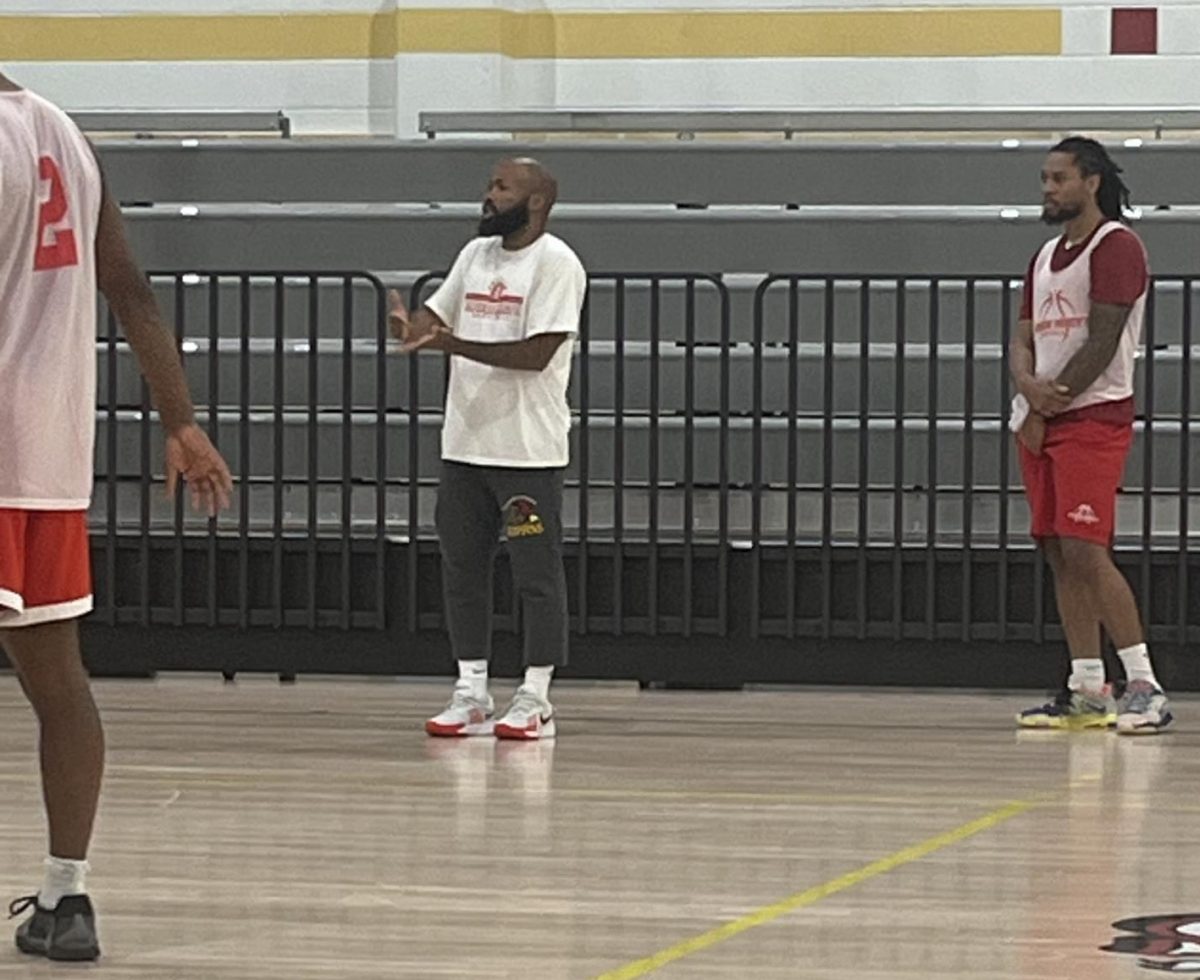
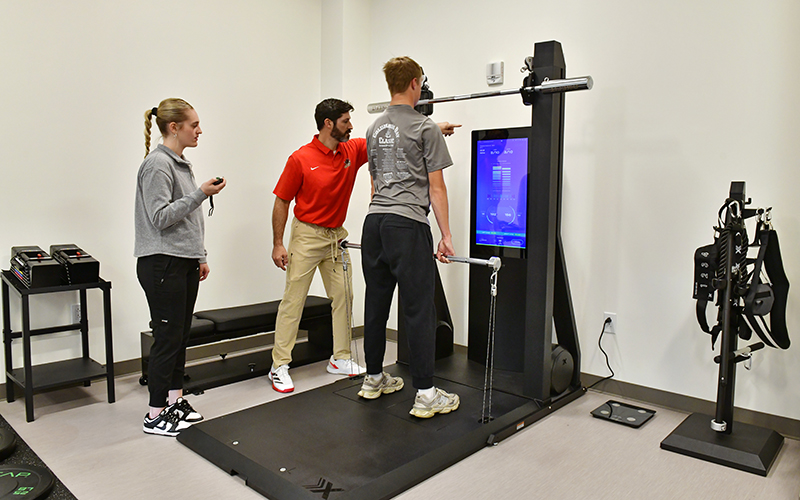
Coach Brooks transferred in 2014, over a decade before the transfer portal of today rules college recruiting. Additionally, he has been coaching collegiate baseball teams for years now, and himself recruits transfer student athletes, and helps them adjust once they get there.
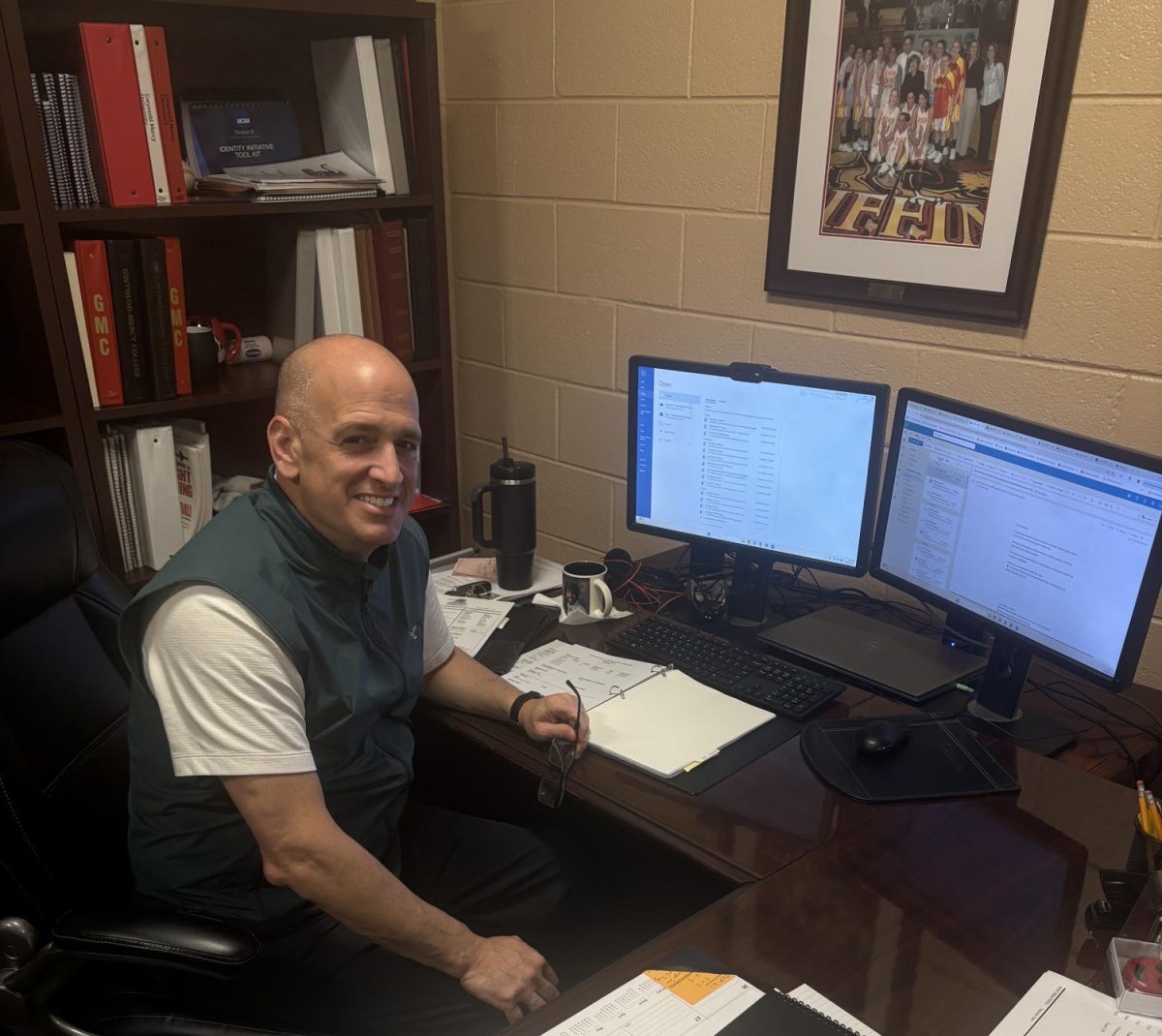
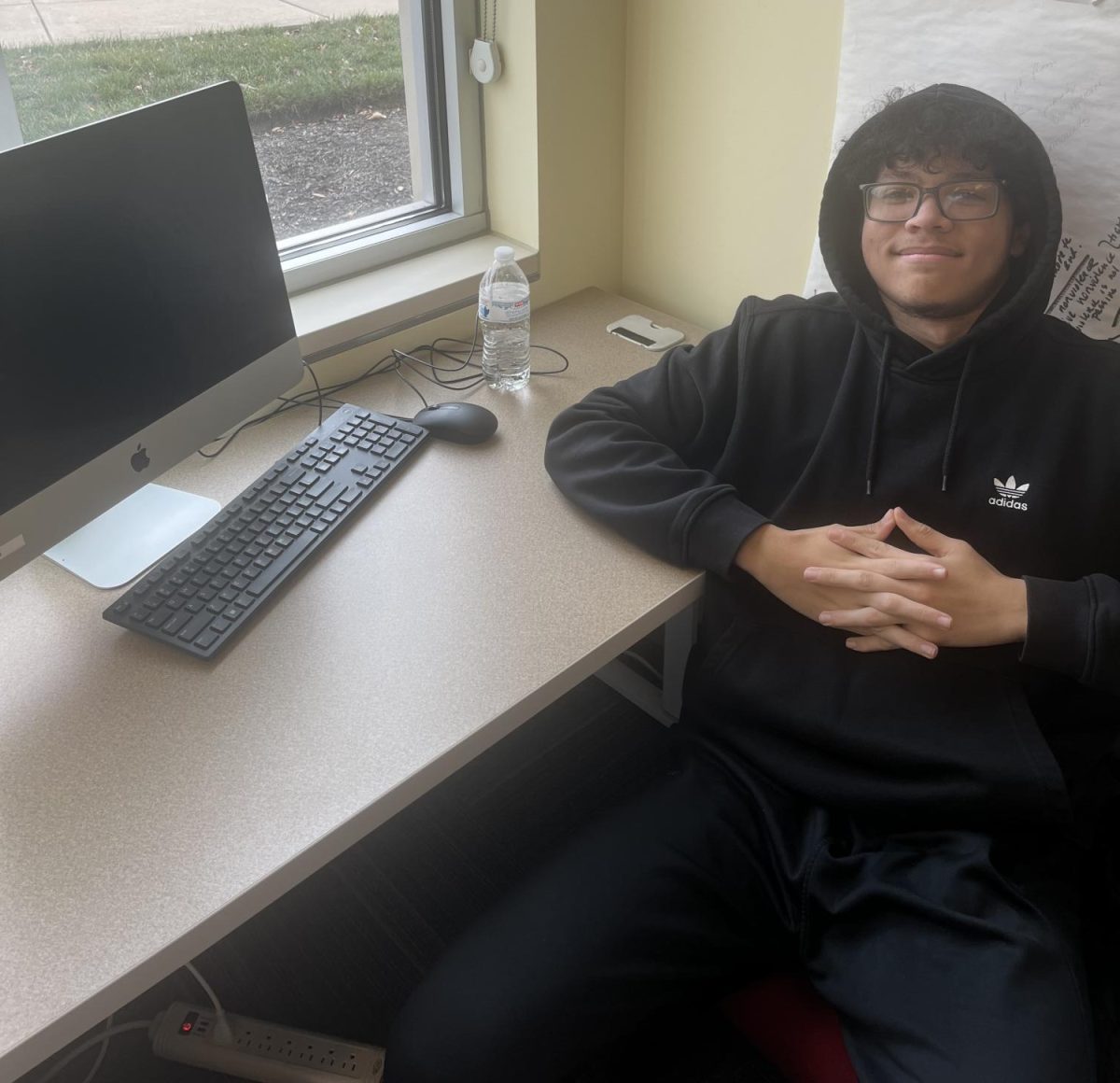
Doc McGrain is a professor of Criminology, so his insightful perspective was one of academia, but he also represents and is a safe space and confidant for athletes all across GMercyU, especially the baseball team.
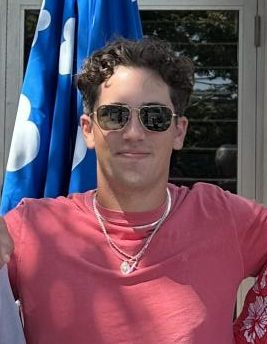
Jimmy DeCarlo’s perspective is one from a community college, in which he had no place to go after receiving an associate degree, so he had to make a difficult decision where he wanted to finish out his academic and athletic career.
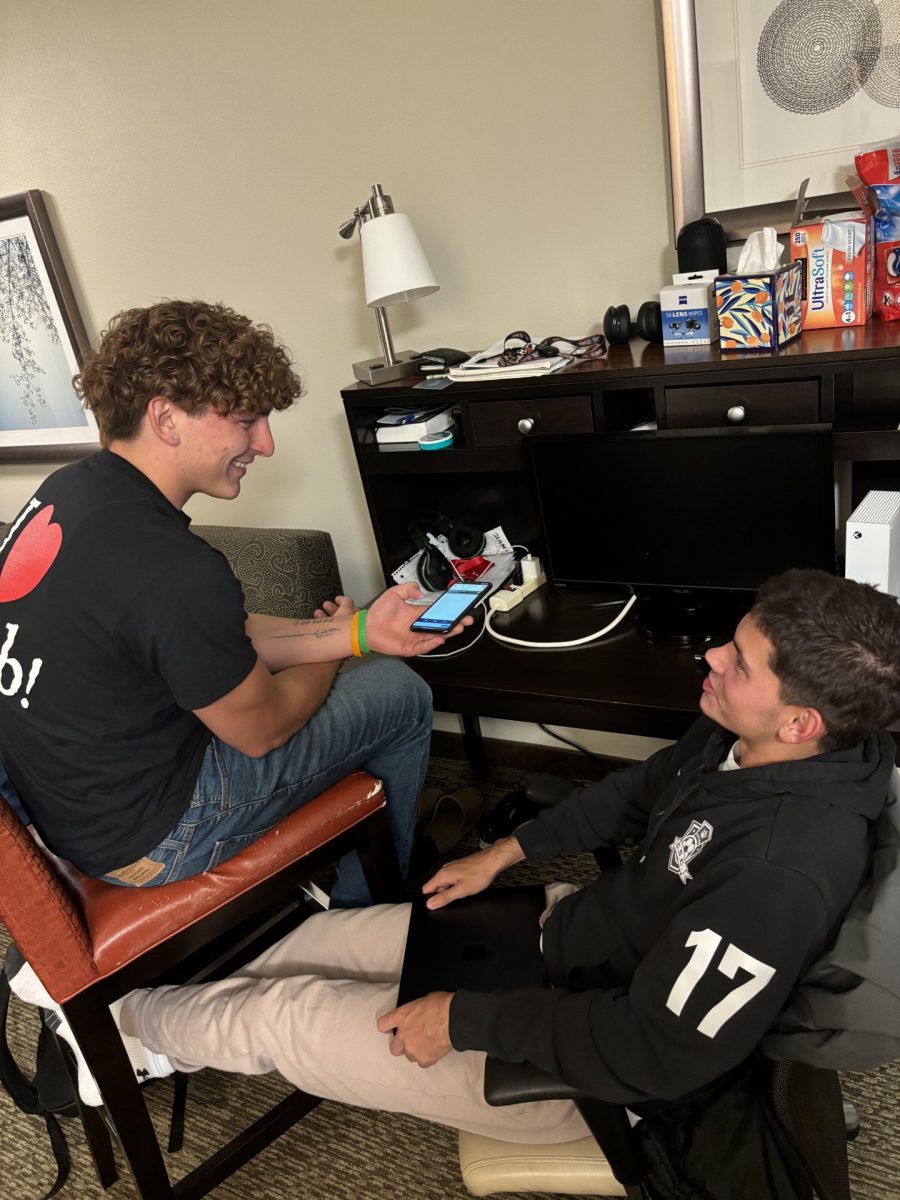
Brady Belfus just made the decision to transfer closer to home, and provided great insight on how happy it was to make this switch, and I really resonated with what he spoke on, as I felt many of what he did, coming from a lackluster experience to a new home in GMercyU.
Overall, I think each of these sources, because they’re all baseball related and have deep connections to the athletic and academic side of transferring, fused together and complimented one another wonderfully.
What I Learned
My experience in producing this piece was one of hard work, attention to detail, and overcoming some challenges to produce what I believe is my favorite project I’ve ever completed. In editing for over 10 hours, interviewing for over two hours combined to shorten to just ten minutes, and building questions and mini stories that were relevant to me as a transfer student athlete and the whole story, I accomplished something I am so proud of.
This piece is something that — as it took shape and I conducted interviews with Coach Brooks and Doc — felt like the answers to my questions were directed at me, and directly helped me, and that’s what I want other transfers to see: that there is help available, its a process to become assimilated, but its ultimately so worth it.
In discussing with Brady and Jimmy, I learned more about what other’s experiences transferring is like, and what they learn about themselves in doing so. I really enjoyed speaking with all four of my sources, asking follow-up questions, and ultimately learning more about three people I knew pretty well in my teammates and head coach, but also building a bond with Doc McGrain, who is an excellent man and resource for athletes on campus. All in all, gathering four perspectives on the biggest (but most rewarding thus far) decision I’ve ever made was an experience I truly hold dear, and despite the long hours of editing and selecting audio, it has been the most worthwhile academic work I’ve ever done, and I hope it becomes a resource and gives advice to transfer student athletes just like me.
Check out the edited podcast here.