

Ever wonder what it takes to make an interesting podcast? Follow along to learn more about the d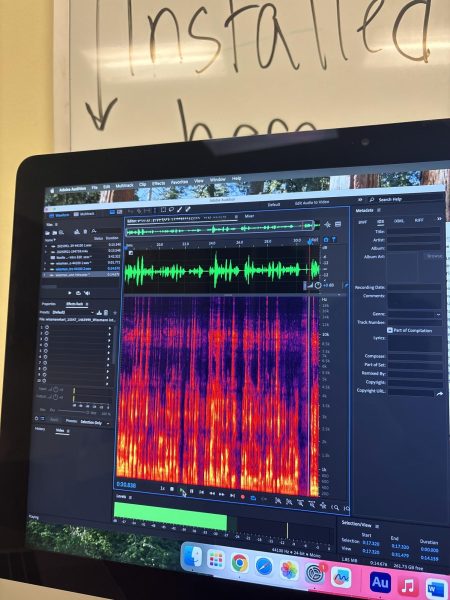 evelopment of the story, Paths to Purpose: How Griffin’s Find Their Way
Paths to Purpose: How Griffin’s Find Their Way reflects on the academic, mental, and emotional struggles many college students face… flipping the script on the outlook of your career livelihood and changing your education path is not as uncommon as you think. This podcast follows the narrative of what drives people to want to specialize in healthcare fields, the support resources GMercyU offers for students looking to change their major, and a positive success story of a student who found another outlook.
Why focus on “failed outcomes”?
Students who change their majors are often overlooked and brushed to the side when it comes to potential changes in education paths. During my personal undergraduate journey, I changed my major and have experienced the emotional turmoil of the effects. Students who change their majors shouldn’t be deemed failures due to the fact they they could not further their advancements to become possible healthcare workers in the future.
Reflecting on success stories can empower students and shine the spotlight on those who are still putting in the effort to seek secondary education. About 30% of undergraduate students change their major within the first three years of enrollment, according to the National Center for Education Statistics (NCES). In a study by odu.edu, “the lower cumulative GPA may reflect the fact that the initial majors did not fit their interests and abilities, and advisors at our institution have often observed an increased GPA among students who changed majors.” This reflects that a majority of the time, students who change their major shouldn’t be deemed failures due to a drop in grades. Learning styles and interests play a huge role in education outcomes. The abilities of one student to another vary broadly within the spectrum. What one student may fully be able to understand, another student may lack the ability to comprehend certain topics. It’s not a matter of lack of intelligence or comprehension skills; these are all traits of simply being human.
This story originally began as a simple question: What happens to healthcare students who realize their first major isn’t the right fit? The topic itself is a pretty bleak one. College students who change their major are far from uncommon; however, they are rarely reflected on, which originally piqued my interest. Aside from shining the spotlight on students whose stories are far from ordinary, I have personally experienced the emotional overwhelm that comes with changing majors. The uncertainty, fear, and eventual relief are something thousands of students feel every year. This story can potentially pave the way for students who are at a block in their academic career. Potentially, reframing their narrative into a moment of reflection instead of pure panic.
To start this journey of reflection, I pitched the idea to my Podcasting class. To do so, I started with the main idea of the story: healthcare majors who choose to switch their focus to another field (whether healthcare-related or not). I wanted to identify a few perspective interviewees who I felt would be beneficial for this story. I decided to look for 3 different perspectives. One student, a healthcare professional and a member of faculty at GMercyU, who has helped students navigate the change before. These three perspectives would give a full the story a full picture.
How the Narrative Took Shape
Crafting this story required more than just gathering audio. It required constructing a story that allowed listeners to feel and fully understand, as well as stay intrigued with. To achieve this, I decided to follow a mini story format when reviewing the audio I gathered from each interviewee. This requires me to identify 3 “mini stories” throughout each interview that tie into one larger theme. The three mini-stories gathered from my interviewees were support resources, what motivates people to choose health care, and the process of changing majors. Oliviah’s perspective offered insight into the student support services GMercyU has to support students’ change, Cierra’s perspective held the emotional and motivational drive behind switching healthcare majors, and Alessandra provided the viewpoint of someone directly inside the healthcare industry and what motivates her to keep on continuing her studies. The big common theme identified was that students who find their passion are happier and more successful in their academic career.
To tie these stories together, I relied on the ambi-track-actuality model. This model of forming a podcast is a storytelling technique that blends ambient sound, narrative tracks, and interview tracks into a narrative that allows listeners to fully immerse themselves in the experience. The ambient noises chosen for the podcast offered a sense of emotion for listeners.
More specifically, I chose nature sounds to represent the journey following Cierra’s change from Nursing to Respiratory Therapy, sounds of a heart monitor to represent Alessandra’s passion for healthcare, and a notification jingle to represent the support services GMercyU has to offer for students looking to change their major. The narration bridges chosen were to guide listeners into each story as well as transition them out. They acted as small moments of reflection and transitioned listeners from one perspective to another while keeping the main theme intact. This storytelling approach was essential so listeners could understand and feel while being kept intrigued.
The Game Plan
From the beginning, the structure of this podcast required a bit of planning. As mentioned before, three interviewees were identified before pitching the podcast. One student, a healthcare professional and a member of faculty at GMercyU, who has helped students navigate the change before. The three interviewees were:
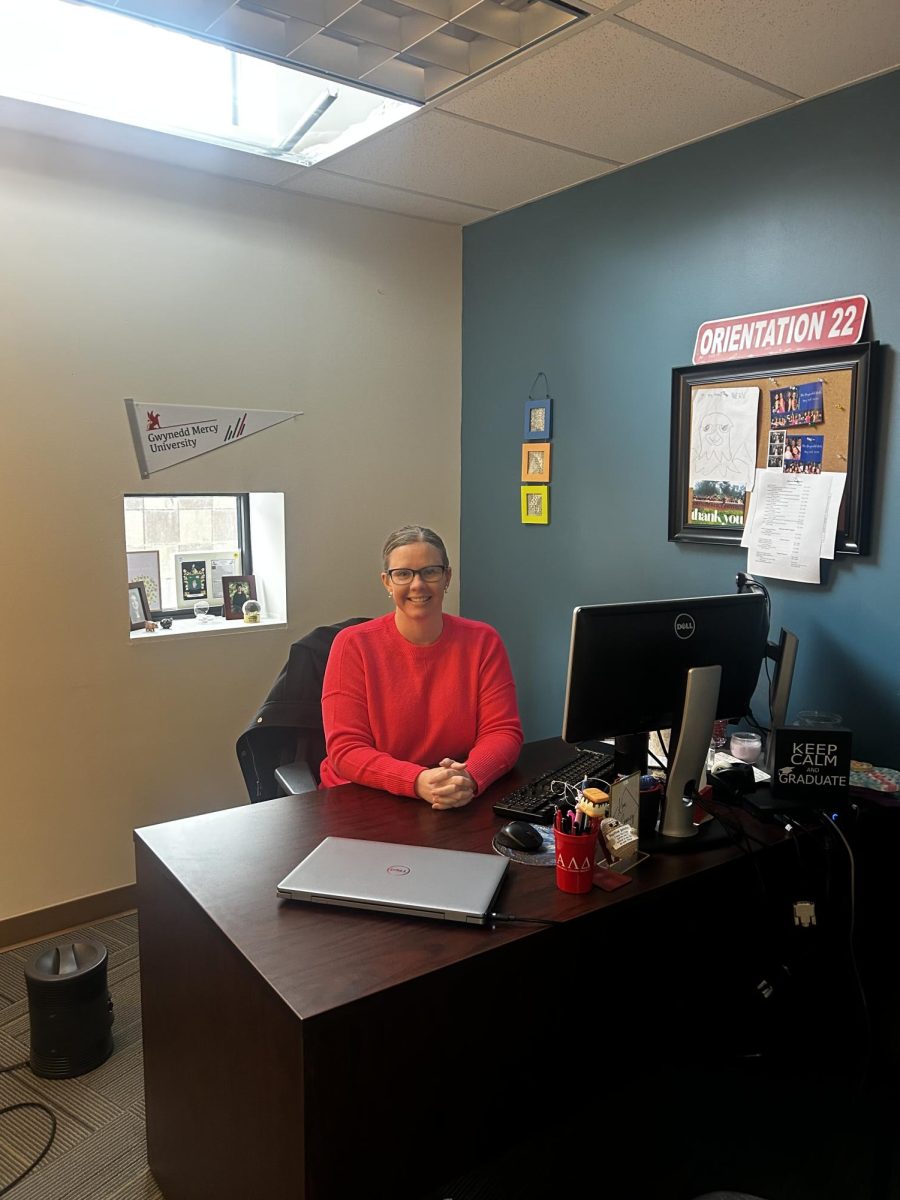
- Oliviah Rachel – M.A., Student Success Specialist and University Studies Academic Advisor
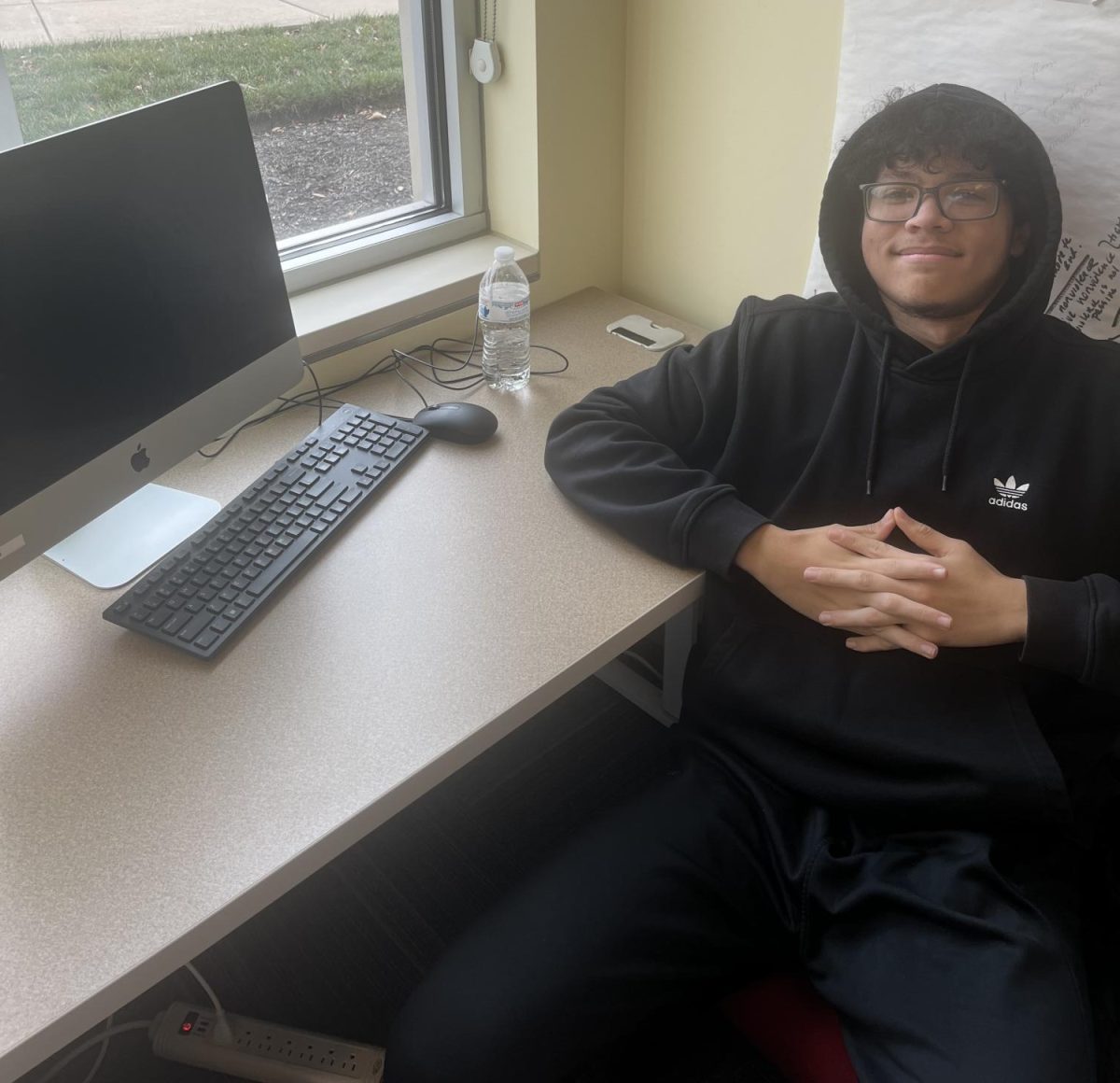
- Cierra Byrd – Original Nursing major who transferred into Respiratory Therapy
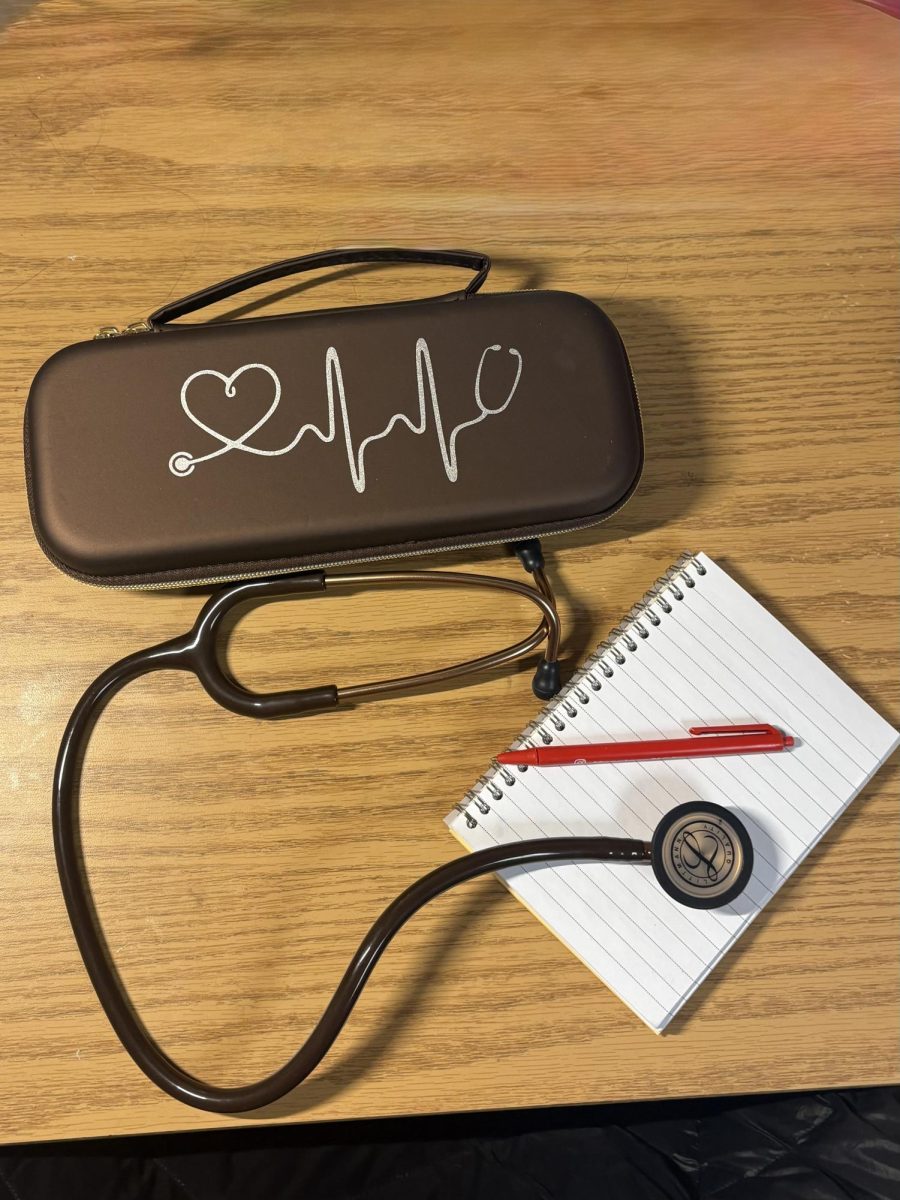
- Alessandra Nuffris – Current Patient Care Technician who is pursuing a BSN
The plan was to conduct one-on-one interviews with each person, collecting both personal narrative and practical insight. Prior to each interview, I developed a list of around 15 – 20 questions for each person. This allowed me to keep our conversations within a structured environment, allowing me to obtain full insight into the topic. It was also routine to send out various emails for scheduling purposes as well as to express an interest in each person’s insight.
Along with scheduling times and dates, in which the interview will be conducted, a mutually private location was also arranged for the interview to ensure quality audio recordings. After conducting the interviews, I reviewed each track carefully. I analyzed the transcripts of each interview and made notes of what worked well with the story as well as general listening notes. This helped determine what clips were sufficient enough to place within the story to ensure the narrative remains. The clips were then taken and scripted around to form the narrative that the podcast tells today.
The Result
In the end, the story that emerged was exactly as intended, raw and authentic. Each interview added a different emotional layer, turning the podcast into a reflection on purpose, identity, and academic growth. Oliviah provided listeners with insights that academic detours are normal and nothing to be afraid of. Cierra described her journey on switching majors and how it didn’t set her back. Alessandra delivered the professional clarity of someone already working in the healthcare system, proving that motivation can drive you to achieve your goals. These perspectives brought the theme that finding your true passion can open the door to various opportunities you wouldn’t expect. This not only created the narrative itself, but it also allows for these stories to be highlighted and voices to be heard, which is exactly what was intended. Overall, creating this podcast was definitely not a walk in the park. Technology definitely has its unique glitches, but in the end, the final result was perfect. The podcast perfectly reflected the bigger picture to never stop chasing your passions or advocating for yourself.
Listen to Noelle’s published podcast here!