
When I began working on my final podcast I wanted to choose a story that was physically close to students yet emotionally distant from them.
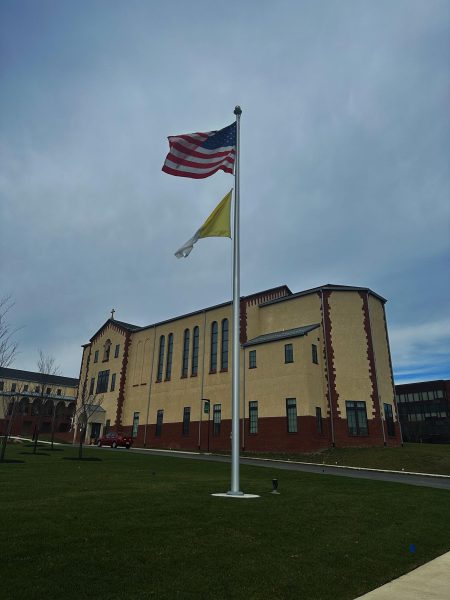
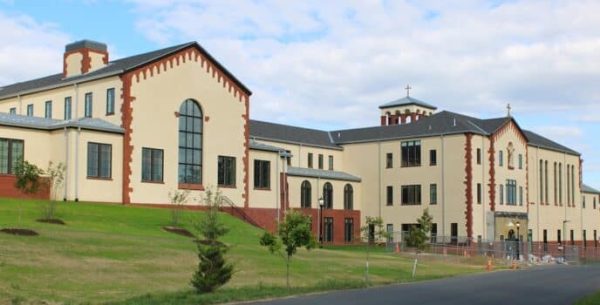
The Saint Charles Seminary addition at GMercyU has carried a quiet energy that feels different from the rest of campus. Every time I walked near it I sensed a mix of tradition and purpose that made me curious. It is a building that many people pass without understanding what happens inside. I wanted to open that door. I wanted to explore not only the building itself but the people who live and study there. This project became an opportunity to create an audio story that lifts the curtain on a world that exists within our own campus but often goes unnoticed.
Listen to the Story here!
Background
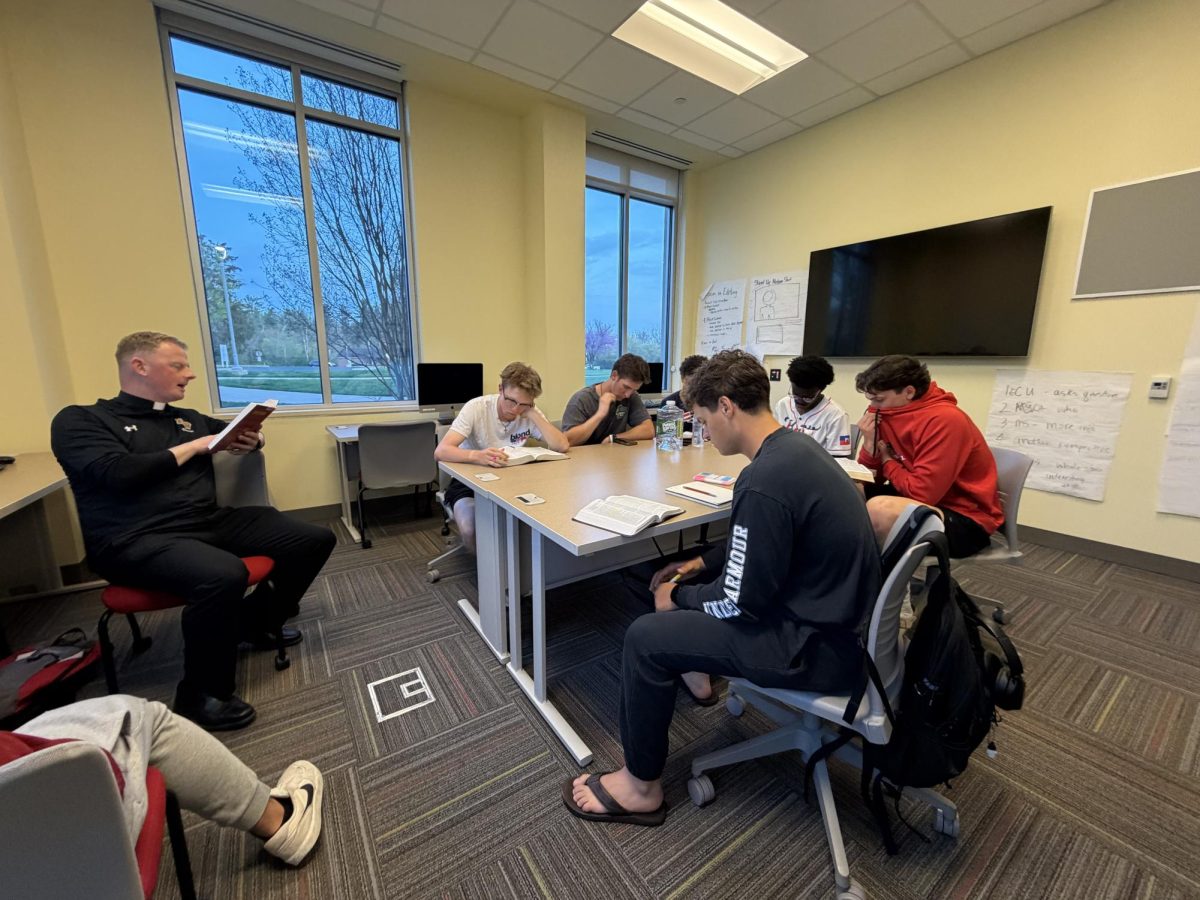
The seminary’s presence on the GMercyU campus grew out of a partnership that allows seminarians to complete their formation while taking academic courses. This creates a unique environment where two communities with completely different routines occupy the same campus. The seminary represents a tradition that stretches back for generations, while the university brings the rhythm of modern college life. The partnership brings those two worlds together in one physical space.
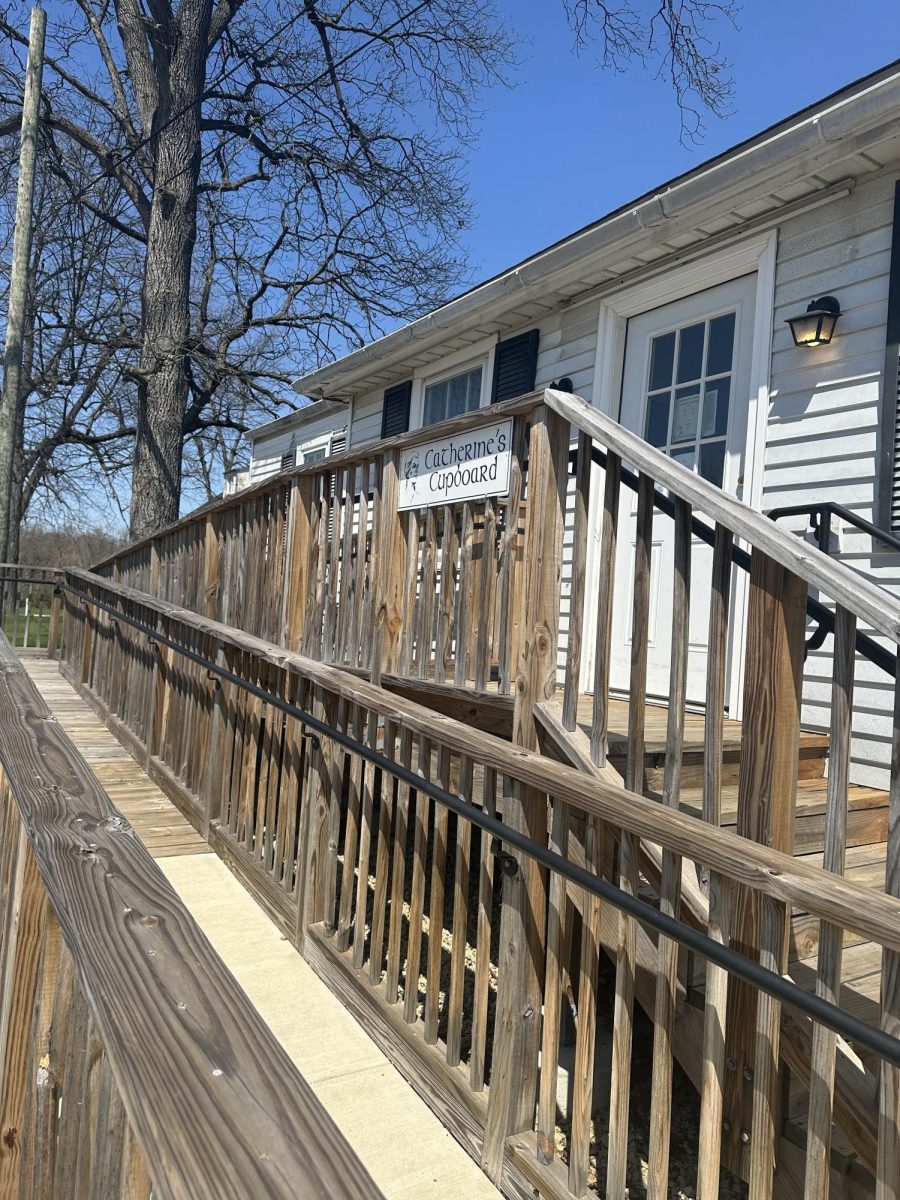
Students often know the building only as an idea. They see the sign and they know it belongs to the seminary, but they do not know what daily life looks like for the people inside. They sometimes do not know how seminarians balance formation with classes or how faculty guide them. The building holds an entire community that most students never hear from directly. That gap was exactly what I aimed to bridge in my story.
Why I Chose This Story
I chose this focus because the building felt like it had stories waiting to be told. It carried a sense of meaning that felt quiet but strong. I also wanted to challenge myself by telling a story that might feel unfamiliar or distant to listeners. By exploring the seminary addition I had to learn how to make a quiet environment feel alive in sound. I had to bring listeners into a world that is usually very private. The more I prepared, the more I realized how important it would be to treat the story with respect and care.
Pitch
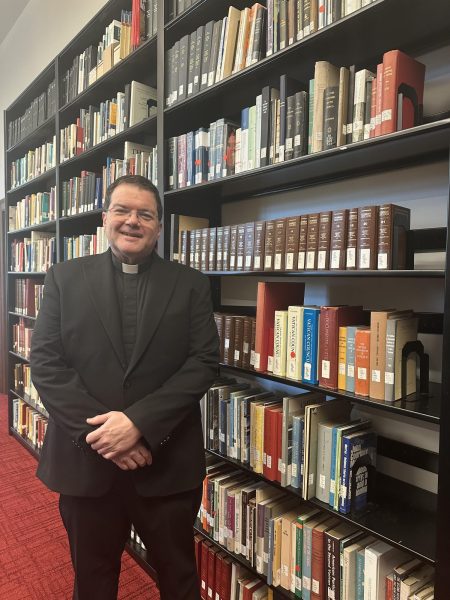
The podcast explores the role and significance of the Saint Charles Seminary addition at Gwynedd Mercy University. Through interviews with Monsignor Michael Magee, Jeff Wallace, and a seminarian living on campus, the story gives listeners a guided look into formation, community life, personal calling, and the relationship between the seminary and the university.
Research That Guided My Focus
My research began with reading about the history of Saint Charles Seminary and understanding the stages of formation. I also looked into how seminaries partner with universities in other regions. I reviewed information from the university about the partnership and I explored documentation about academic programs connected to seminary life.
The biggest shift in my focus happened when I interviewed the seminarian. Hearing him describe daily routines and the personal side of formation helped me understand that the story was not just about structure. It was also about individuals who carry a sense of purpose into everything they do. His perspective brought out the human side of the seminary and helped me shape the narrative into something more personal and grounded.
Storytelling Approach
My storytelling approach centered on immersing the listener in the atmosphere of the seminary. I wanted the piece to feel like an invitation into a quiet world. Instead of rushing through facts I let sound guide the pacing. I relied on natural sound from the hallways, stairwells, and study areas. I also used subtle outdoor sound to remind listeners that this sacred space exists within a busy campus.
The narration is calm and thoughtful so the listener has space to reflect on what they are hearing. I wanted every moment of the podcast to feel intentional.
Function of Scenes
The scenes anchor the listener inside the building. Each one reveals a different angle of the seminary. The first scene introduces the contrast between the lively university environment and the stillness inside the seminary walls. Another scene brings in the voices of the people who shape the community. Later scenes focus on formation routines and the personal experiences shared by the seminarian.
The scenes create structure and allow the story to feel layered rather than rushed.
Mini Stories and Beats
The story is built through small meaningful beats. One beat introduces the purpose of the seminary. Another focuses on the seminarian’s personal experience of formation. Another illustrates the relationship between the seminary and the university. These mini stories give the listener stepping stones. Each one adds something new but stays connected to the central theme of coexistence.
Using beats helped me keep the story organized and emotionally balanced.
Function of Bridges
Bridges help guide the listener from one moment to the next without losing the rhythm of the story. They give the ear a moment to shift gears and prepare for the next idea. A bridge does not reveal the full point of the next beat. It simply creates a controlled and thoughtful transition that keeps the story from feeling choppy. I kept the bridges simple so the emotional weight would come from the voices and the sound design.
Planning Interviews, Sources, Locations
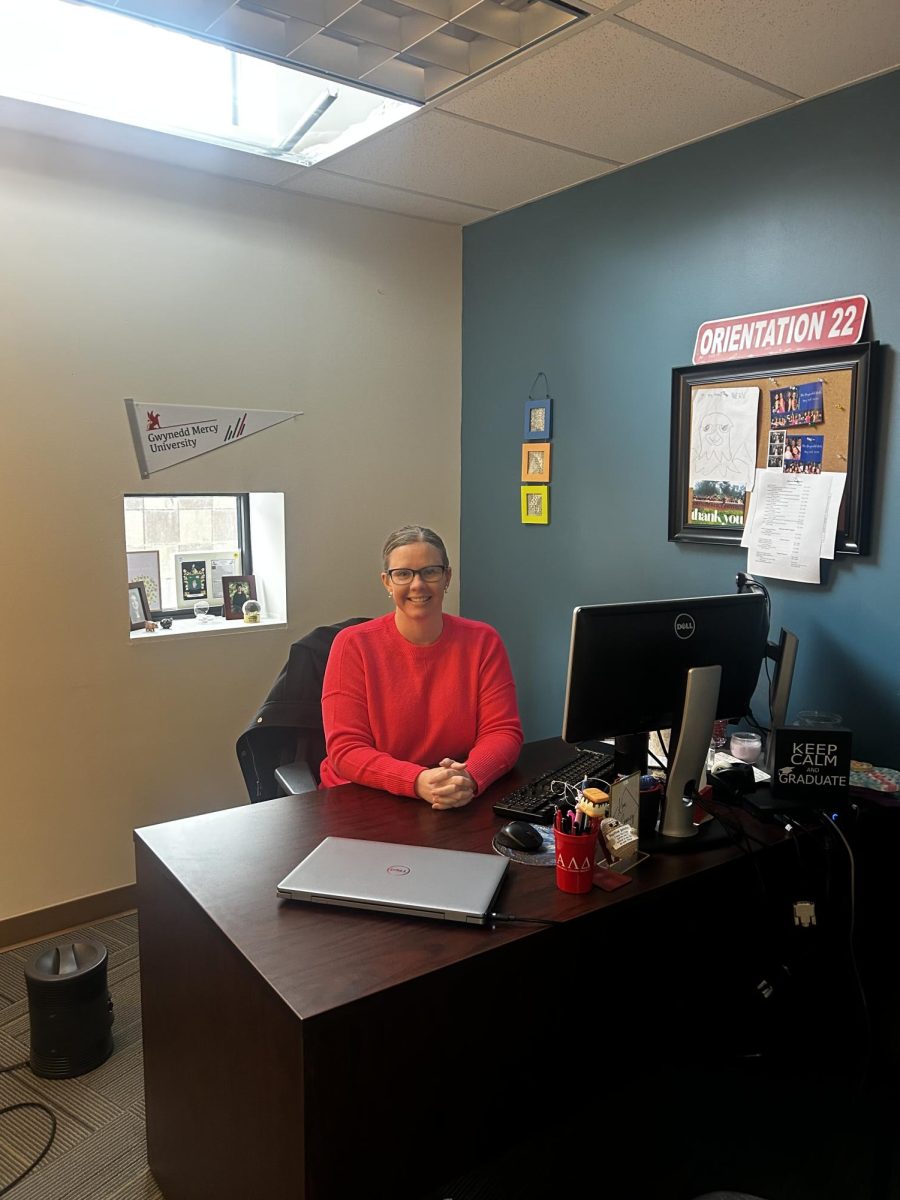
My plan was to interview Monsignor Magee for insight into the larger meaning of formation and the purpose of the seminary addition. I spoke with Jeff Wallace for a perspective on the daily and practical side of the building. The seminarian interview became the emotional center of the story. His personal experiences created a level of honesty and human connection that strengthened the narrative.
I also spent time walking through the building to observe how sound behaved in different rooms. I recorded natural sound from hallways, classrooms, common areas, and the surrounding outdoor space. My research came from university documents, seminary background information, formation program outlines, and interviews with people who engage with the building every day.
Challenges That Shifted My Plans
This project brought real obstacles. Some areas of the building were not available at certain times so I had to rethink some of my scenes. Scheduling interviews required flexibility because of limited time windows. At one point I reordered an entire section of the story when a recording did not match the sound quality of the surrounding scenes. I also had to rewrite parts of my narration after hearing the seminarian’s interview because his perspective changed the emotional direction of the piece.
These challenges forced me to think creatively. They also taught me that unexpected moments often shape the best parts of a story.
Interviewing
Interviewing became one of the most rewarding parts of this project. Speaking with Monsignor Magee taught me how formation is both structured and deeply personal. Speaking with Jeff Wallace helped me understand the daily environment. Speaking with the seminarian brought out a level of honesty that reminded me why storytelling matters. He talked openly about his routine, his calling, and what it means to live in a space designed for spiritual growth. His voice grounded the story and added emotional truth.
During the interviews I used open questions and let pauses create space for reflection. I wanted the conversations to feel natural. I learned that allowing room for silence often leads to the strongest insights.
Editing
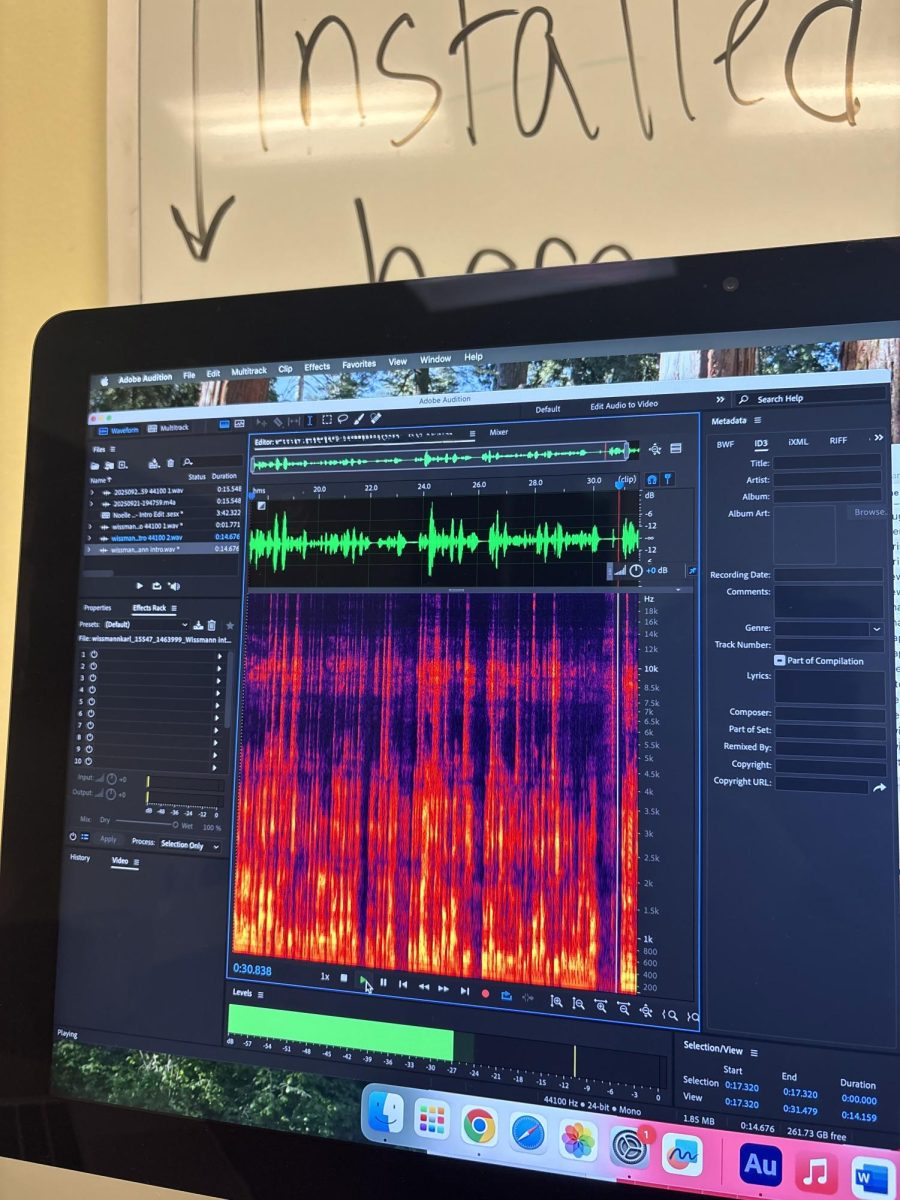
Editing was the stage where everything came together. I removed long explanations and placed the strongest quotes in places where they would have the most impact. I carefully layered natural sound so the transitions felt smooth and consistent. I rearranged beats until the story flowed with intention and clarity. Editing taught me how much sound can shape emotion and how important it is to remove anything that does not move the story forward.
Reflection
This podcast changed the way I see the campus. The seminary addition at GMercyU is more than a building. It represents a blend of purpose, tradition, and quiet discipline. It also represents individual people who carry personal stories of calling and commitment. Working on this project taught me how to build trust in interviews, how to shape a narrative through sound, and how to guide listeners into a world they might never enter on their own. It challenged me to become more intentional with every choice. Most importantly it reminded me that meaningful stories often come from places we overlook every day.