
I was interested in this story because I think a lot of students don’t know about the Mercy Center and what it offers. I thought making this podcast would bring awareness because the Mercy Center serves as a vital campus resource. The campus identity strongly emphasizes service work and faith values which this podcast aims to show.
The Mercy Center offers students chances to serve others while developing their spirituality and building community connections. The podcast features interviews with staff members and church volunteers who explain their work and demonstrate how spiritually, and mercy go a long way.
Background
The Mercy Center operates as a campus facility dedicated to service activities and student support and reflection programs. The educational foundation of Gwynedd Mercy University rests on Mercy values which require students to serve others and develop community connections. The research investigates the Mercy Center’s impact on student life and its essential programs.
My Pitch
The podcast talks about the essential value of the Mercy Center and its need for increased visibility. Also, how the Mercy Center assists students through its service-based programs and spiritual guidance.
Research That Led to Focus
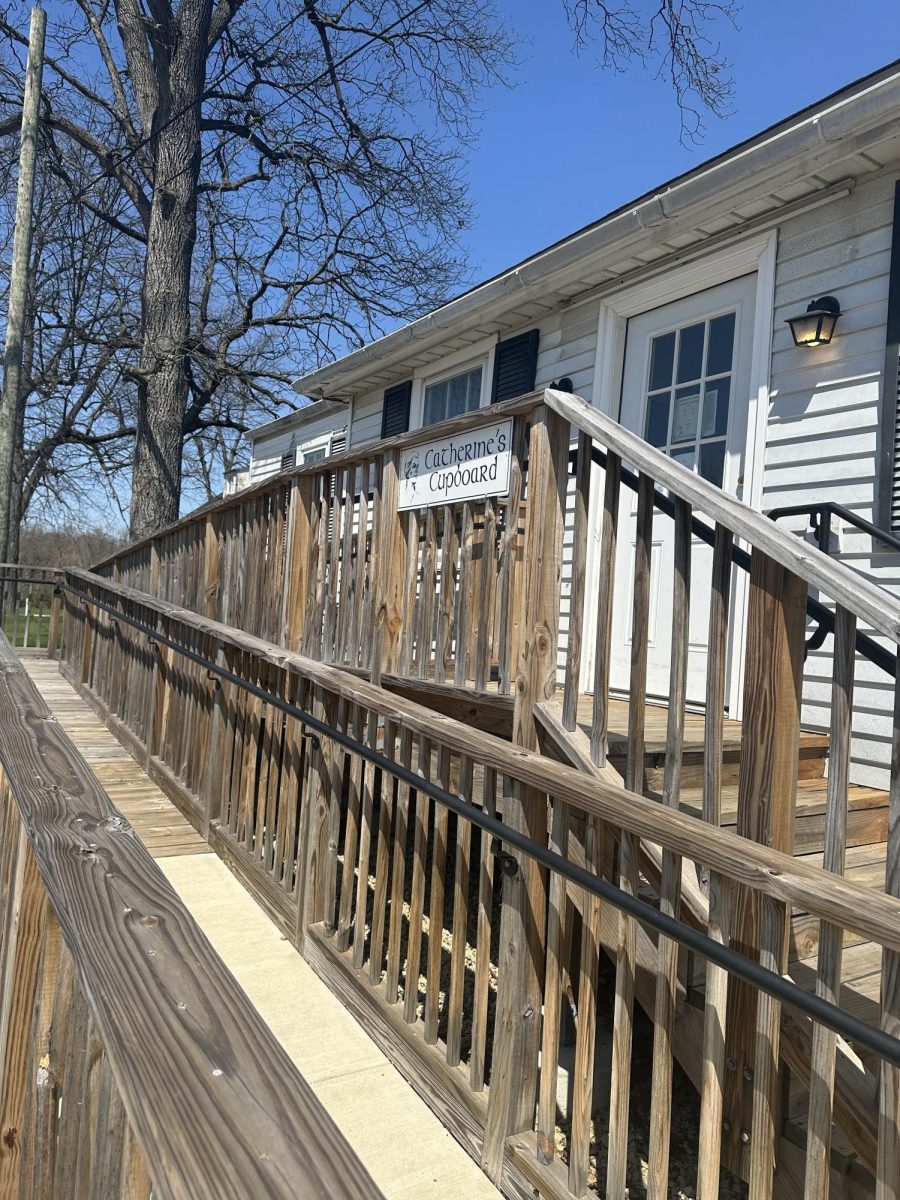
The research for this project included data from the Mercy Center website and information about Catherine’s Cupboard and academic studies about college student spirituality and purpose.
Storytelling
The storytelling approach used beats to maintain a clear structure in each section. Also used our school’s bell sounds in the hook to keep the listener interested.
Scenes, Mini-Stories, and Beats
The Mercy Center programs became visible through brief moments that demonstrated their actual operations. The story-maintained organization through mini-stories which combine related concepts. The story progressed through bridges which linked different interviews and topics to create a smooth narrative flow.
Bridges
The bridges between different mini stories and topics created a smooth transition between each section of the podcast. The music was also edited to fade in and out of the podcast.
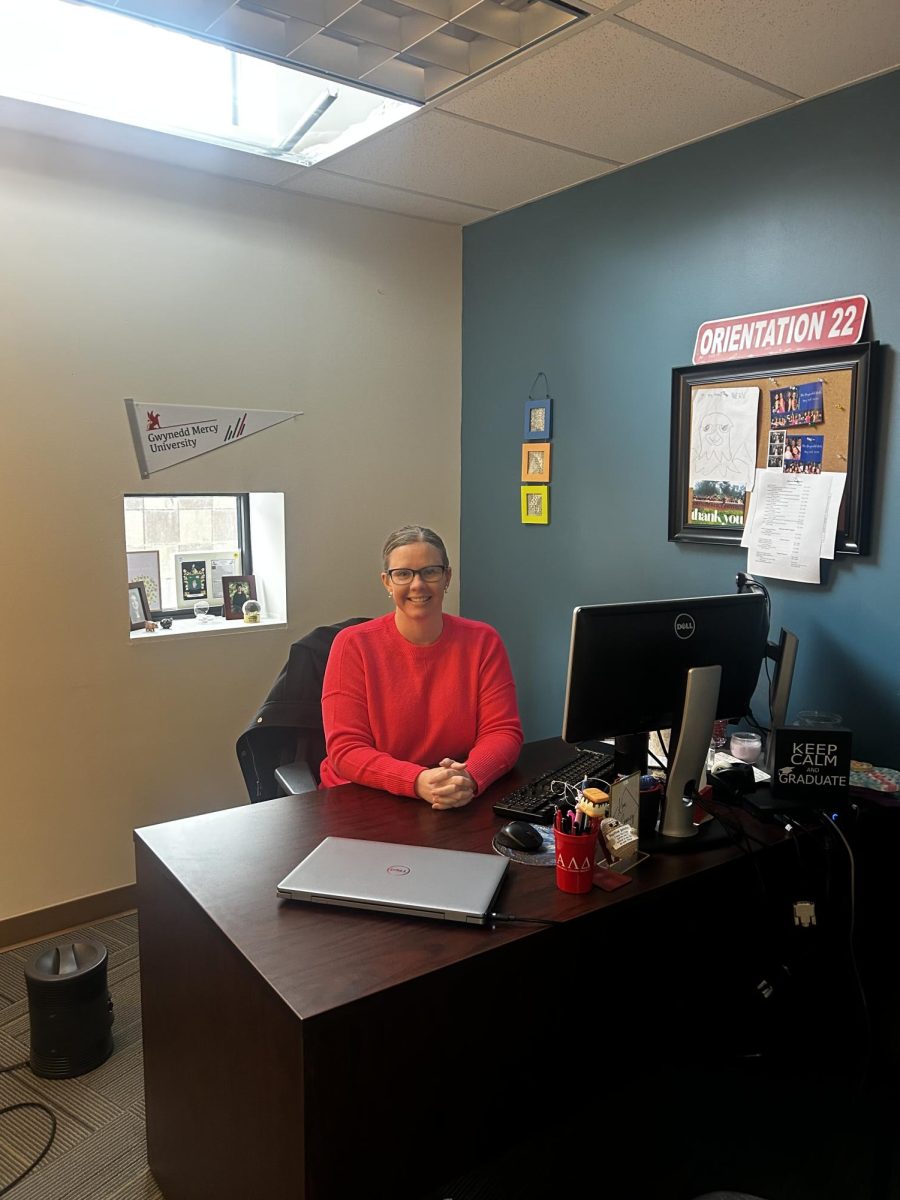
The research plan involved conducting interviews with Jeff Wallace, Zahmere Payne, and Zachary Thompsen while gathering Mercy Center information and data to support the narrative. The interviews brought distinct viewpoints to the story.
The project faced timing issues because several interviews needed to be rescheduled and reassigned because of health problems. The editing process required segment rearrangement and forced the removal of certain content to maintain the story’s focus.
Interviewing
The interviews provided distinct viewpoints about student service activities and support programs. The follow up questions helped bring more detailed responses, which enhanced the final story content. The interviews provided authentic examples to demonstrate the Center’s effects on students.
Editing
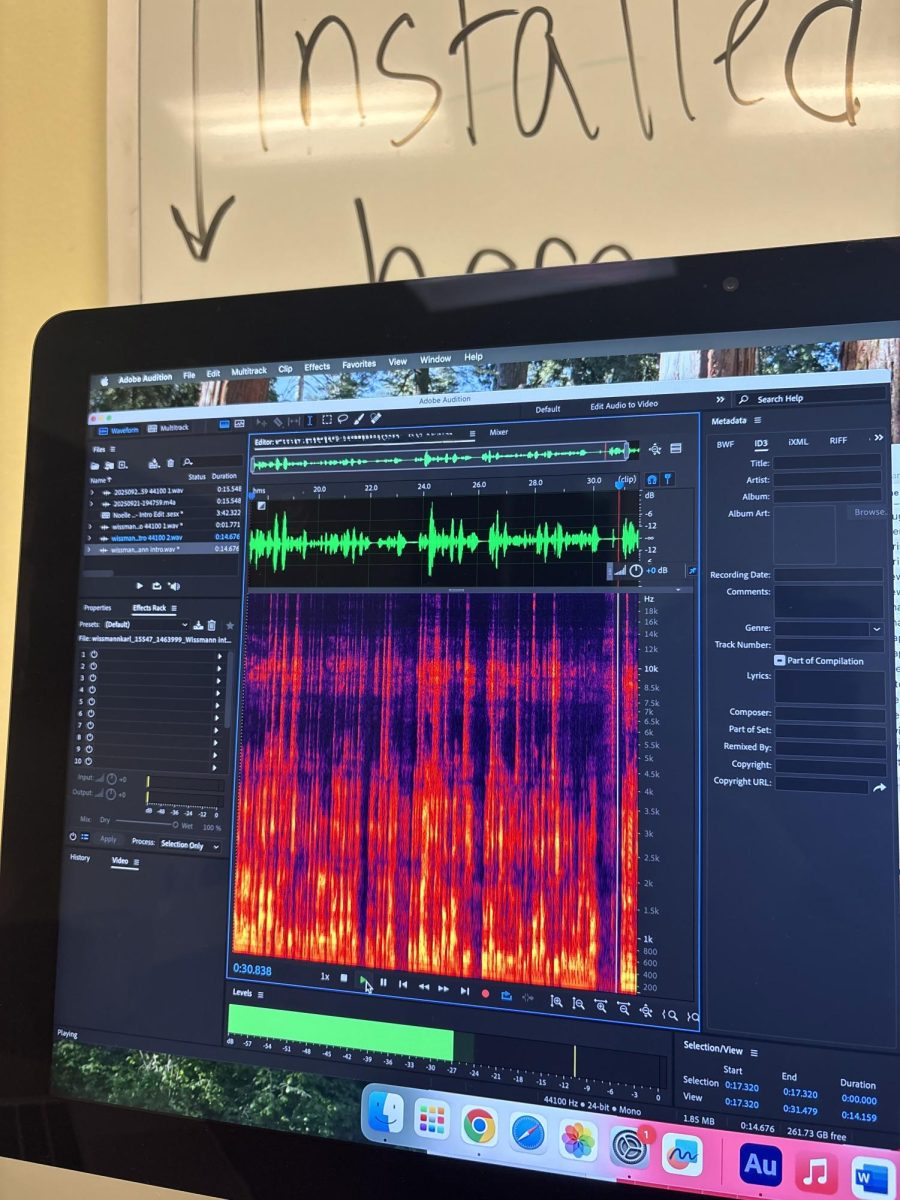
The technical editing process involved audio level correction and background noise elimination and segment removal for better content alignment. A lot of cutting “ums” and breaths. The narrative editing process involved selecting the most effective quotes while maintaining a straightforward message.
What I Learned
The podcast taught me ways to stay organized and about beats and bridges and scenes. The podcast helped me develop my interviewing and editing abilities while demonstrating how research enhances storytelling quality. This also taught me flexibility when plans change and the value of maintaining a focused narrative direction.
The podcast included multiple classroom concepts which included story structure and beats and scenes and bridges and interviewing techniques and editing choices.
Check out the edited podcast here!