
How My Podcast Came Together: From Idea to Final Story
This page explains how I created my podcast. I walk you through my idea, the interviews I conducted, the research behind it, and how the story evolved over time. I also share what I learned this semester and how those ideas shaped my final work.
The podcast focuses on campus closures and their impact on students, teachers, and leaders. I wanted to showcase the personal side of these changes by sharing three mini-stories: a student who had to transfer, a professor who stayed through the closing, and a provost looking toward the future of small colleges.
I chose this topic because campus closures are becoming increasingly common, and I wanted to understand what it is like for people living through them. Their experiences are emotional, stressful, and sometimes hopeful.
Pitch
My pitch was to tell the story of a changing campus through three voices. Each mini-story offers a different point of view, but together they paint a full picture of what happens when a school shuts down.
I researched news articles about college closures, financial issues in higher education, and their impact on local communities. This helped me narrow my focus to the human side of the story, rather than focusing on numbers or policy.
Storytelling: built with mini-stories & bridges
Each mini story works like a scene that reveals a new angle.
-
The student shows how closure affects education and identity.
-
The professor shows what it is like to stay and adjust.
-
The provost explains the bigger decisions and pressures.
These beats move the story forward and keep listeners engaged.
Bridges connect one mini story to the next. They give the listener a moment to breathe and help the podcast shift smoothly to a new point of view.
What I Planned
At first, I planned to interview:
-
A student who transferred
-
A professor who stayed
-
A provost from a small school that is still open
I also planned to visit campus locations to record natural sound, but some of that changed.
Some people were hard to schedule. I also had to shorten a few sections because the interviews went long. Not all locations were available to record in. These changes pushed me to rethink my structure and trim the story to what mattered most.
Interviewing
I prepared simple, open questions but let the conversation flow naturally. The best answers came when I let people talk in their own way.
Editing
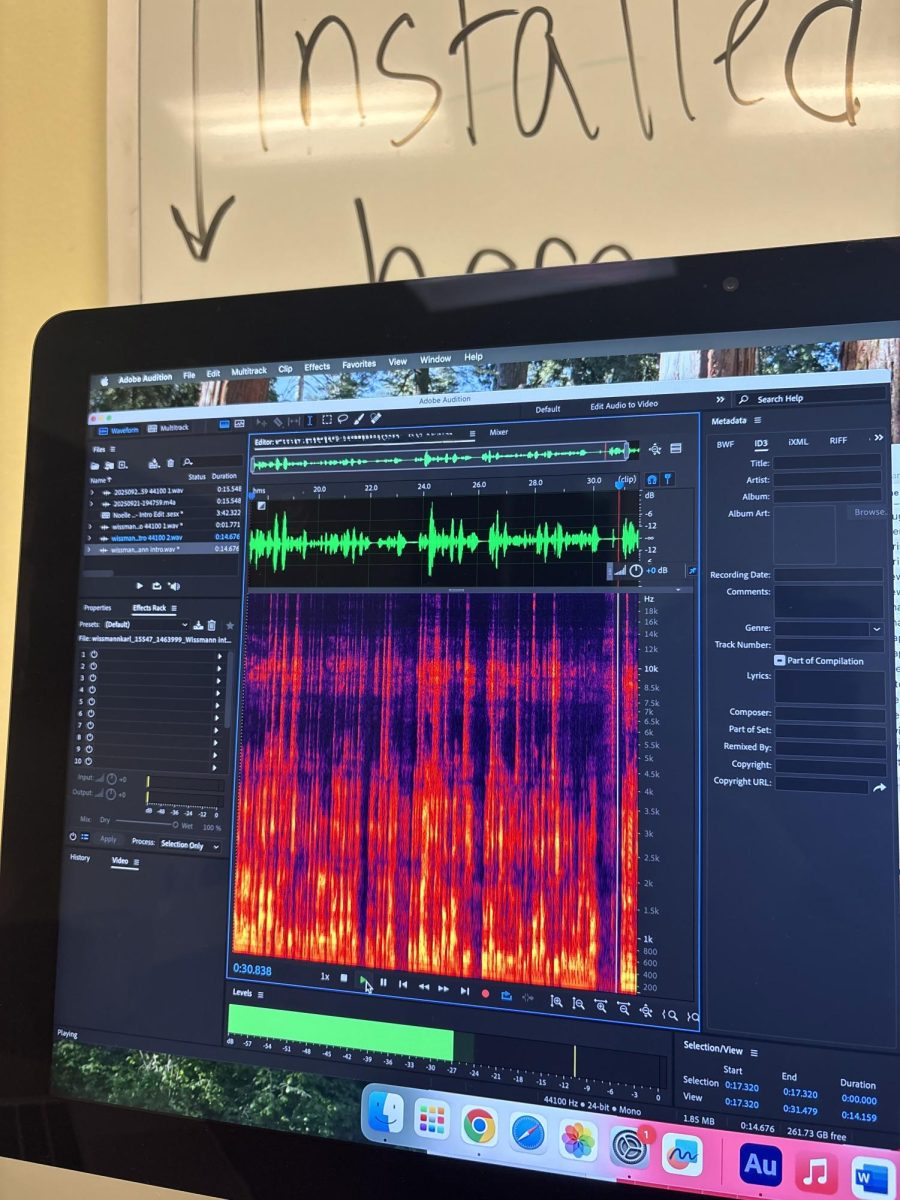
Editing took time because I had to cut the recordings down and make the story smooth. I removed background noise, tightened the pacing, and added music where it helped the emotional tone.
Reflection on applying course concepts
Here are the concepts from class that shaped my project:
-
Story Structure – using beats and minis to guide the listener.
-
Narrative Arc – setting up a beginning, middle, and end.
-
Character Voice – letting each person sound like themselves.
-
Bridge Writing – connecting scenes smoothly.
-
Interview Techniques – asking open questions and active listening.
-
Audience Awareness – keeping the story clear and relatable.
-
Revision and Editing – shaping raw audio into a clean final cut.
Give a listen to Colin’s final edit here!